Creating a home office that is both cozy and productive can be a game-changer for your work-from-home routine. Whether you’re new to remote work or looking to revamp your current workspace, designing an area that fosters focus while feeling inviting is essential. In this post, we’ll explore practical tips to help you build a home office that meets your needs and nurtures your well-being.
Why a Cozy and Productive Home Office Matters
A well-designed workspace helps you concentrate, reduces stress, and improves your overall work experience. When your environment balances comfort with functionality, you’re more likely to stay motivated and complete tasks efficiently. Adding personal touches and optimizing your setup also contributes to lasting satisfaction and better work-life balance.
Choosing the Right Location
Consider Natural Light
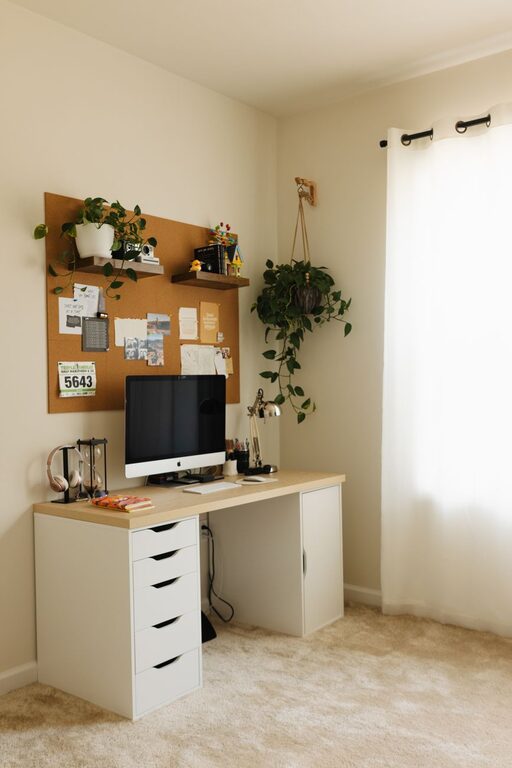
Natural sunlight can boost mood and energy levels, making it a valuable feature in any workspace. Try to position your desk near a window where daylight can brighten your area without causing glare on your screen.
Minimize Distractions
Choose a quiet spot away from high-traffic areas in your home. This helps maintain focus and reduces interruptions. If space is limited, using noise-cancelling headphones or room dividers can help create a boundary.
Investing in Ergonomic Furniture
Select a Comfortable Chair
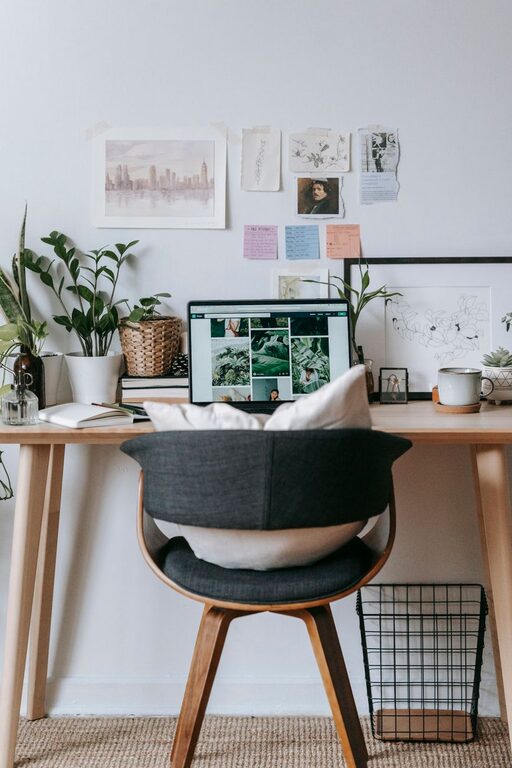
A supportive chair prevents discomfort and posture problems during long hours of sitting. Look for adjustable chairs with good lumbar support, breathable fabrics, and comfortable cushions.
Find the Right Desk
Your desk should suit your work style and available space. Options include adjustable-height desks that let you alternate between sitting and standing, as well as compact designs for smaller rooms.
Organizing Your Workspace for Productivity
Keep Essentials Within Reach
Arrange frequently used items, like pens, notebooks, and tech accessories, close to your workspace to limit distractions when searching for them.
Use Storage Solutions
Incorporate shelves, drawers, or filing cabinets to keep papers and supplies organized. Labeling containers can speed up finding what you need while reducing clutter.
Manage Cables and Electronics
Tidy cable management creates a cleaner aesthetic and prevents hazards. Using clips, sleeves, or under-desk trays keeps cords orderly.
Adding Cozy Elements
Personalize with Decor
Bring in elements that reflect your personality, such as artwork, plants, or framed photos. These add warmth and make the space inviting.
Choose Soothing Colors
Colors impact mood; opting for soft, warm tones like beige, light blues, or greens can promote calmness and focus.
Use Soft Lighting
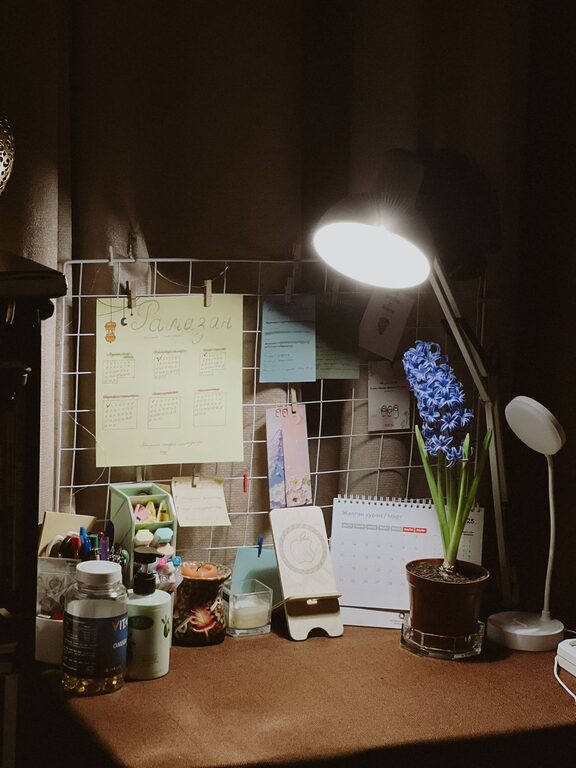
In addition to natural light, add desk lamps or floor lamps with adjustable brightness. Warm light bulbs create a comfortable atmosphere, especially during evening work sessions.
Incorporate Textiles
A plush rug, cozy throw blanket, or comfortable cushions can soften the space and make it feel homier.
Establishing Good Habits
Set Clear Boundaries
Define your work hours and stick to them to prevent burnout. Creating a routine helps your mind associate the workspace with productivity.
Take Breaks and Move
Incorporate regular breaks to stretch and rest your eyes. This improves circulation and mental clarity.
Maintain Cleanliness
A tidy workspace supports focus. Set aside time each day or week to declutter and clean your home office.
Technology Tips for Efficiency
Invest in Reliable Equipment
A fast internet connection, quality headset, and ergonomic keyboard and mouse enhance your comfort and performance.
Use Productivity Apps
Time trackers, to-do lists, and calendar tools can keep you organized and on task.
Reduce Screen Glare and Eye Strain
Position monitors at eye level and at a suitable distance. Using screen filters or blue-light glasses can protect your eyes.
Final Thoughts
Designing a cozy and productive home office may take some effort, but the results are worthwhile. By combining thoughtful layout choices, ergonomic furniture, organized storage, personalized touches, and healthy habits, you can create a space that supports both your comfort and your work goals. Start small and adjust as you go—the perfect workspace is one that fits your unique needs.
Happy decorating and productive working!
About the Author