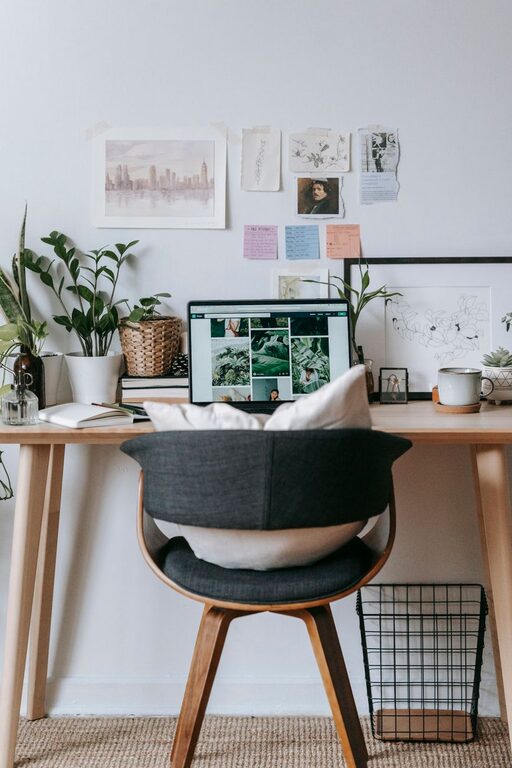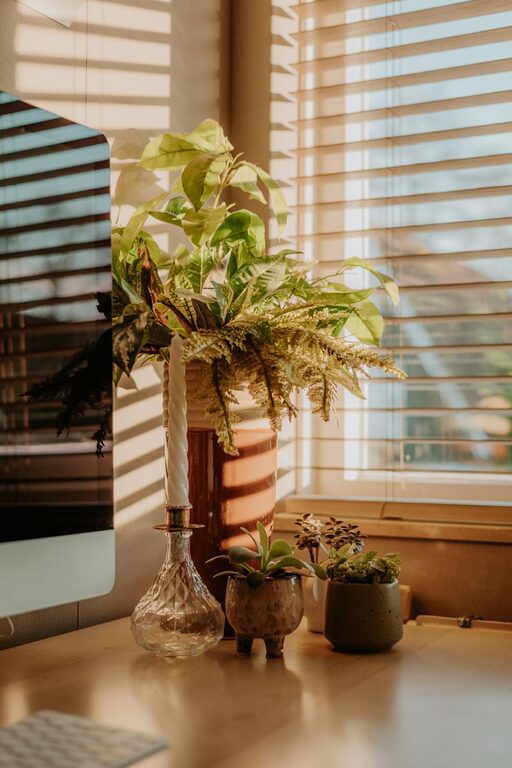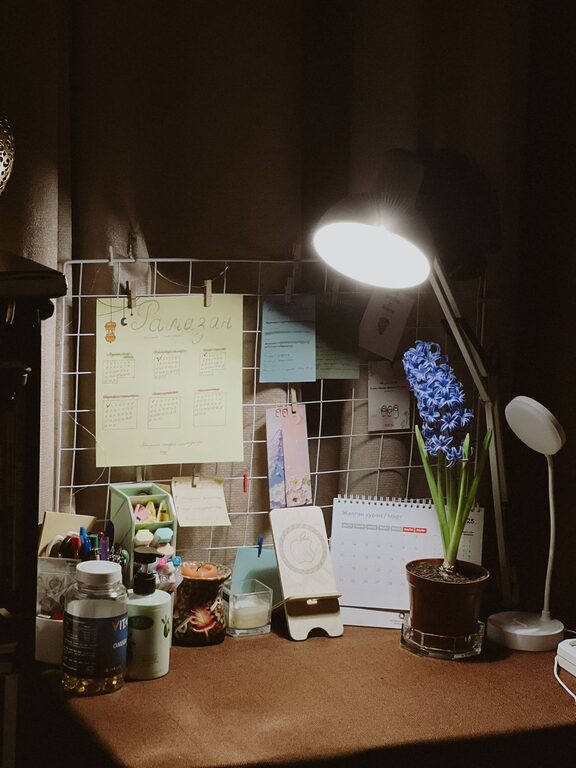
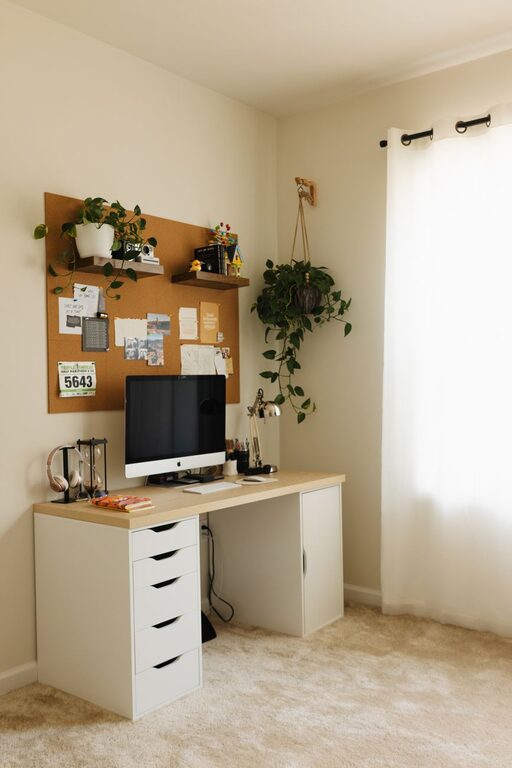
Creating a cozy and functional home office space can transform your work-from-home routine. Whether you have a dedicated room or a small corner, designing an office that feels inviting and supports productivity is key. Here are some practical tips to help you build a workspace that works for you.
1. Choose the Right Location
Your office location impacts focus and comfort. Ideally, find a quiet spot away from distractions such as the TV or busy household areas. If possible, select a space with natural light, which can boost mood and energy during work hours.
If you have limited space, consider multifunctional areas like a corner of the living room or bedroom. Use room dividers or shelving to visually separate your workspace from the rest of the room.
2. Invest in Comfortable Furniture
Comfort is crucial for long hours at your desk. Invest in a supportive chair that encourages good posture and reduces the risk of back pain. Adjustable chairs allow you to customize the height and armrests based on your needs.
Choose a desk that fits your available space while providing enough surface area for your computer, paperwork, and essential tools. Consider desks with built-in storage or shelves to keep supplies organized and within reach.
3. Prioritize Good Lighting
Good lighting minimizes eye strain and creates a welcoming atmosphere. Natural light is ideal, so try to position your desk near a window.
For cloudy days or evening work, add a desk lamp with adjustable brightness and color temperature. Warm light can make the space cozy, while cooler light helps maintain alertness.
4. Organize Efficiently
An organized desk supports productivity and reduces stress. Use drawer organizers, trays, or small bins to separate supplies like pens, paper clips, and sticky notes.
Shelves or wall organizers can store books, files, and decorative items, keeping the desk surface clear. Label containers and files to easily find what you need.
5. Add Personal Touches
Personalizing your office makes it more inviting and motivating. Add artwork, plants, or photos that inspire you or bring a sense of calm.
Plants are especially great—they improve air quality and add a natural element to your workspace. Just choose low-maintenance varieties if you’re not confident with plant care.
6. Minimize Clutter and Distractions
Keep only necessary items on your desk during work hours to stay focused. Use cable organizers to manage power cords and chargers, preventing messy tangles.
Also, try to limit distractions like your phone or unrelated gadgets. Some people find noise-cancelling headphones or background music helpful for concentration.
7. Create Zones for Different Tasks
If your space allows, create distinct areas for different activities. For example, have a computer work zone, a writing or brainstorming area, and a comfortable chair for reading or breaks.
Having multiple zones encourages movement, which can improve comfort and creativity throughout the day.
8. Choose Soothing Colors
Color affects mood and productivity. Soft, neutral tones often create a calm and inviting space, while brighter colors like blues or greens can stimulate focus and creativity.
Avoid overly bright or harsh colors that may cause eye fatigue or distract from work.
9. Incorporate Technology Thoughtfully
Make sure your home office has the necessary technology to work efficiently. Invest in a reliable internet connection and use accessories like external monitors or ergonomic keyboards if they improve comfort.
Keep charging stations and cables neatly arranged to avoid clutter.
10. Establish Boundaries and Routine
Finally, set clear boundaries between work and home life, especially if your office is in a shared space. Use physical cues like opening or closing a door or a specific desk lamp to signal work hours.
Establish a daily routine that includes breaks and time to step away from your desk. This balance helps maintain productivity without burnout.
—
Designing a cozy and functional home office is a process that reflects your unique needs and style. By focusing on comfort, organization, and a supportive environment, you can create a space that makes working from home both enjoyable and efficient. Start small and adjust your setup over time—and you’ll find the perfect balance for your best workdays.
About the Author