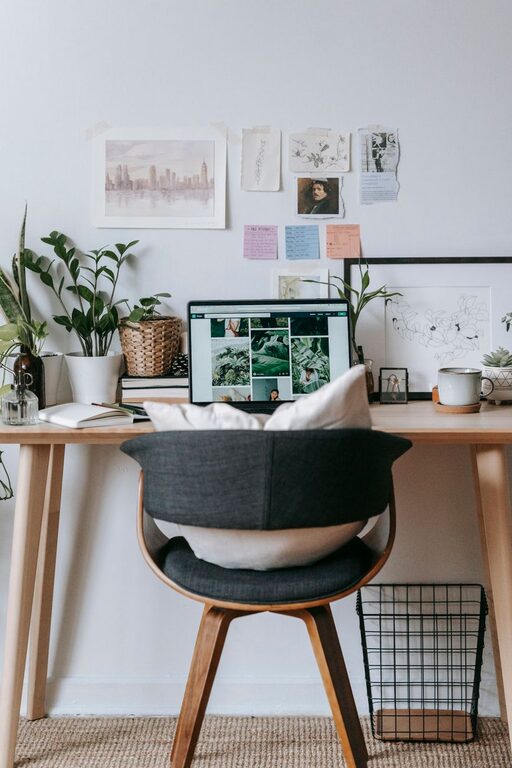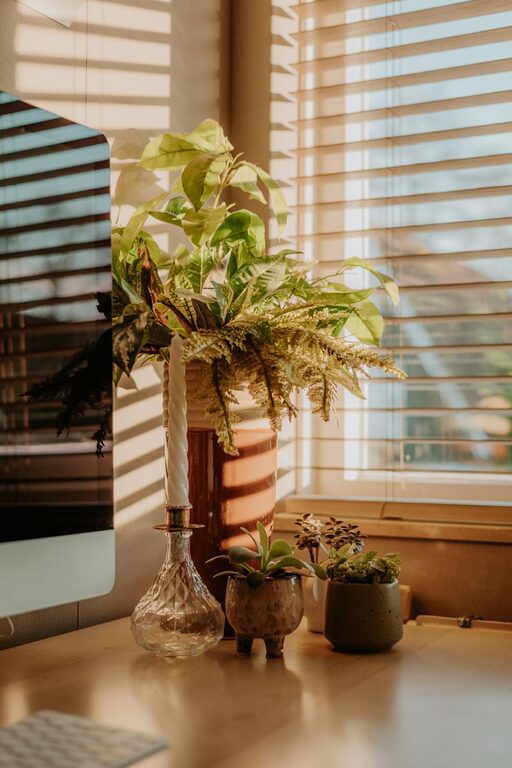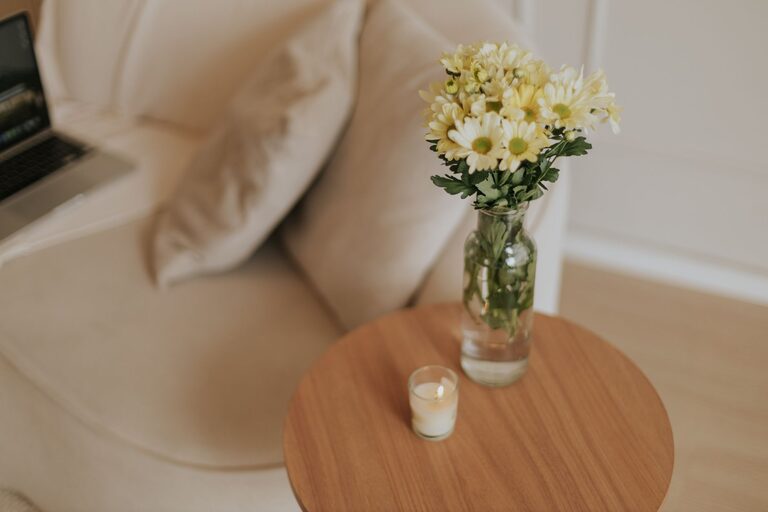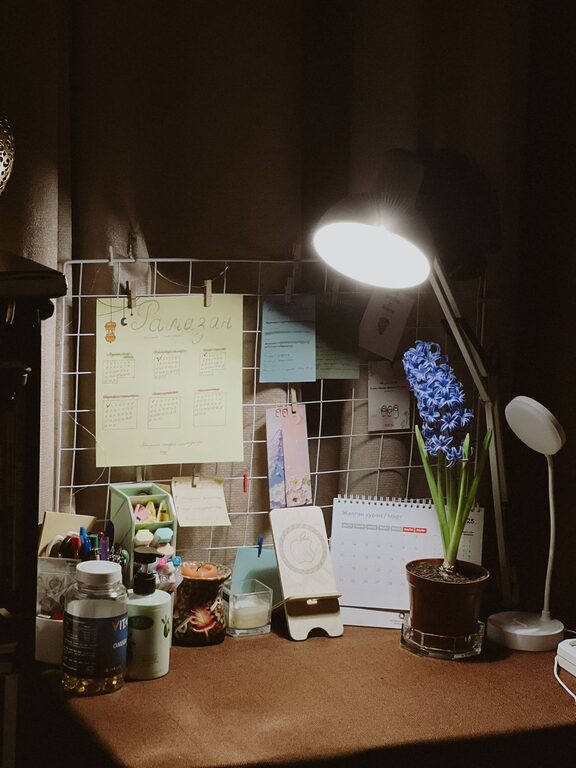
Creating a relaxing home workspace is essential for staying productive and comfortable throughout the day. Whether you work remotely full-time or occasionally, having a dedicated area that feels calm and inviting can improve focus, reduce stress, and make work more enjoyable. Here are some practical tips to help you design a workspace at home that promotes both productivity and well-being.
1. Choose the Right Location
The first step is selecting a spot in your home that suits your work style and daily routine.
– Quiet and Private: Ideally, choose a space away from high-traffic areas and distractions. A separate room or a cozy corner can help maintain focus.
– Natural Light: Position your desk near a window if possible. Natural light can improve mood and reduce eye strain.
– Ventilation and Temperature: Ensure the space is well-ventilated and comfortable temperature-wise, as this affects concentration.
2. Invest in Comfortable and Ergonomic Furniture
Comfort plays a key role in productivity and overall physical health.
– Ergonomic Chair: Choose a chair that supports your lower back, encourages good posture, and is adjustable.
– Desk Height: Your desk should allow your arms to rest comfortably with wrists straight when typing.
– Footrest: If your feet don’t touch the floor naturally, a footrest can improve posture and circulation.
3. Use Calming Colors and Decor
Colors and decorations influence your mood and mindset.
– Neutral or Soft Colors: Shades like light blues, greens, or pastels create a soothing atmosphere.
– Minimal Clutter: Keep decor simple and meaningful to avoid overstimulation.
– Personal Touches: Add items that make you happy or inspire you, such as plants, photos, or artwork, but keep them balanced.
4. Organize for Efficiency and Calm
A tidy workspace reduces stress and helps you find what you need quickly.
– Declutter Regularly: Remove unused items and keep only essentials at hand.
– Storage Solutions: Use drawers, shelves, and organizers to keep supplies neat.
– Cable Management: Use clips or ties to keep cords from tangling and creating visual chaos.
5. Incorporate Natural Elements
Plants and natural materials can make your workspace more inviting and relaxing.
– Indoor Plants: They improve air quality and add a touch of nature.
– Wood or Stone Accents: Accessories or furniture with natural textures bring warmth to the space.
– Aromatherapy: A subtle diffuser with essential oils like lavender can promote calmness.
6. Set Up Proper Lighting
Good lighting reduces eye strain and keeps energy levels stable.
– Task Lighting: Use a desk lamp with adjustable brightness for focused work.
– Avoid Glare: Position screens to prevent reflections and harsh light directly in your eyes.
– Warm Light: Consider bulbs with warm tones instead of harsh white light for a comfortable ambiance.
7. Minimize Noise Distractions
Sound can influence your ability to concentrate or feel relaxed.
– Noise-Cancelling Headphones: Useful if your environment is noisy.
– White Noise or Soft Music: Some people focus better with background sounds like nature sounds or instrumental music.
– Soundproofing: Adding rugs, curtains, or wall panels may reduce echo and outside noise.
8. Establish a Routine and Boundaries
Creating habits and clear boundaries helps maintain work-life balance and reduces stress.
– Set Regular Hours: Try to start and finish work at consistent times.
– Breaks Matter: Take short breaks to stretch, rest your eyes, and recharge.
– Separate Work and Relaxation Spaces: Avoid working from beds or sofas to keep mental separation between work and rest.
9. Keep Technology User-Friendly
Your tools should support comfort and ease, not cause frustration.
– Ergonomic Keyboard and Mouse: These devices reduce strain during long typing sessions.
– Monitor Position: Keep your screen at eye level about an arm’s length away.
– Regular Maintenance: Keep devices updated, clean, and functioning well for a smooth experience.
—
Final Thoughts
Designing a relaxing home workspace doesn’t require a complete overhaul or expensive purchases. By prioritizing comfort, organization, and a calming atmosphere, you can create a space that helps you work better and feel good while doing it. Pay attention to what supports your focus and well-being, and adapt your workspace gradually to fit your needs.
Finding your ideal setup will take some experimentation, but the benefits of a well-designed home office are well worth the effort. Happy decorating and productive working!
About the Author