Creating a cozy and inviting home workspace is essential for staying motivated and productive, especially as many of us spend a significant amount of time working from home. A well-designed area can boost creativity, focus, and overall well-being. Whether you have a dedicated room or a small corner, these tips will help you transform your workspace into a welcoming and efficient environment.
Choose the Right Location
Selecting the perfect spot in your home is the first step. Ideally, find a space with plenty of natural light which can improve mood and reduce eye strain. If natural light isn’t an option, opt for soft, bright artificial lighting to keep your workspace well-lit. The location should be quiet and free from distractions to help maintain focus during work hours.
Invest in Comfortable Furniture
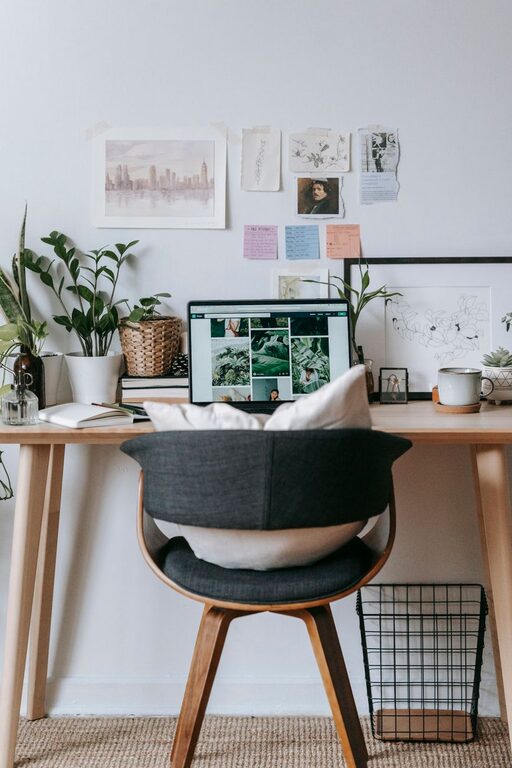
Comfort is key when spending long hours at your desk. Invest in an ergonomic chair that supports good posture and reduces back pain. A desk at the right height will also help prevent strain. If space allows, consider adding a small sofa or armchair for reading or brainstorming sessions. Comfort doesn’t have to compromise style—many ergonomic pieces come in attractive designs to suit your aesthetic.
Add Personal Touches
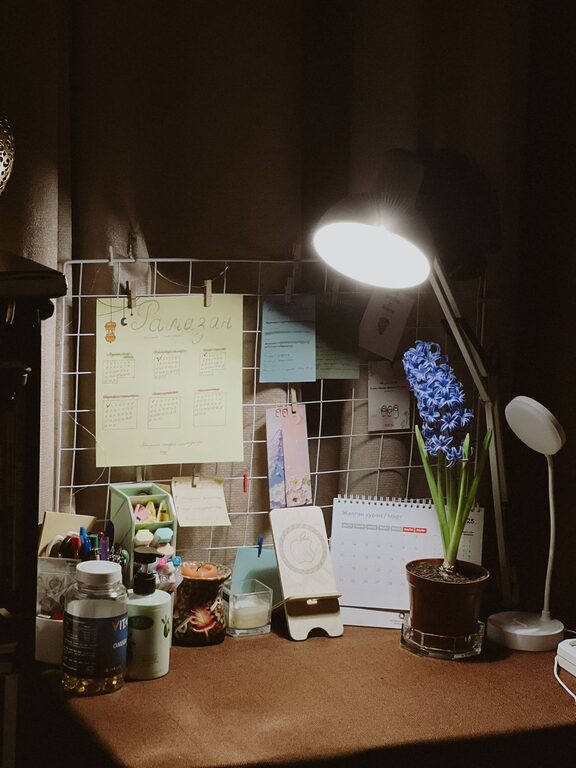
Personalizing your workspace makes it feel welcoming and unique. Add photos, artwork, or a vision board to inspire you throughout the day. Houseplants are a great way to bring life to your desk area and purify the air. Choose decor that reflects your personality but keep it minimal to avoid clutter.
Organize for Efficiency
Clutter can be distracting. Keep your workspace tidy with smart storage solutions such as shelves, drawers, or desk organizers. Use cable management tools to keep cords out of sight. A clean setup helps your mind stay clear and allows you to find what you need quickly.
Choose Soothing Colors
Colors influence mood and productivity. Soft, neutral tones like beige, light gray, or pastel shades create a calming atmosphere. If you prefer bright colors, use them as accents—think colorful desk accessories or wall art—without overwhelming the space.
Incorporate Good Lighting
Proper lighting reduces eye strain and boosts energy. Position your desk near a window if possible. Supplement with adjustable desk lamps that offer warm or natural light settings. Avoid harsh overhead lights or glare from screens by using curtains or blinds to control sunlight.
Create Zones for Different Activities
If your workspace is large enough, create separate zones for tasks like computer work, reading, or brainstorming. For example, keep your desk area clear for focused work and add a cozy corner with a comfortable chair for reading or taking breaks. This separation helps your brain switch gears and prevents burnout.
Keep Technology Handy but Organized
Make sure your essential technology such as your laptop, printer, or tablet is within easy reach. Use stands and holders to position devices ergonomically. Keep chargers and accessories stored neatly to maintain a tidy workspace.
Add Soft Textiles for Comfort
Incorporate soft textiles like a cozy rug underfoot, cushions on your chair, or a throw blanket nearby. These elements add warmth and comfort, making your workspace feel inviting and less sterile.
Set Boundaries to Maintain Work-Life Balance
Having a dedicated workspace helps separate your work from personal life. At the start and end of each day, organize your desk to signal these transitions. If your workspace is in a shared area, consider using screens or room dividers for privacy.
—
By following these tips, you can create a home workspace that is not only functional but also cozy and inviting. A space that feels comfortable and personalized will help you stay motivated and enjoy your work-from-home experience. Remember, the best workspace is one that supports your needs and reflects your style.
About the Author